Kebaya Labuh Melaka

Mariana Silva
| 19-11-2026
 · Fashion Team
Hi, Lykkers! Malaysia is home to a diverse range of traditional clothing, each reflecting the creativity, craftsmanship, and cultural identity of its region.
Among these garments, the Kebaya Labuh of Melaka stands out for its graceful silhouette, elegant details, and distinctive long design.
Known for its flowing appearance and refined tailoring, this traditional outfit represents a beautiful combination of comfort and sophistication.
Although traditional in origin, Kebaya Labuh continues to attract attention from fashion enthusiasts who appreciate clothing with character, history, and timeless appeal.
Understanding Kebaya Labuh Melaka
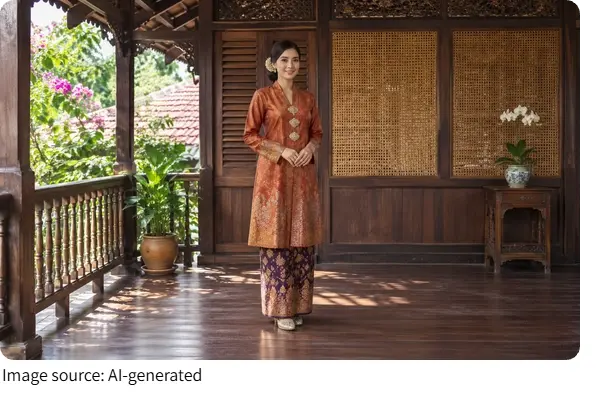
Kebaya Labuh is a traditional long kebaya style associated with the Malay fashion heritage of Melaka, Malaysia. The word labuh refers to something long or extended, describing the garment's length and flowing silhouette. Unlike shorter kebaya designs, this version generally extends further down the body, creating an elongated and modest appearance.
The garment is commonly designed with a fitted upper section and a longer lower portion that follows the natural shape of the body without appearing overly restrictive. Its overall structure creates a balanced silhouette, combining traditional tailoring with practical wearability.
Depending on the maker and individual preferences, the length, neckline, sleeve shape, and decorative elements may vary.
Kebaya Labuh is often paired with a traditional skirt, commonly featuring batik or other patterned fabrics. Together, these pieces create a coordinated appearance that reflects the distinctive character of traditional Malaysian dressing.
Distinctive Design and Features
One of the most recognisable characteristics of Kebaya Labuh is its extended length. The design offers an elegant alternative to shorter kebaya styles while maintaining the garment's familiar fitted upper silhouette. Its flowing construction also allows greater flexibility when choosing fabrics and decorative details.
The front opening is another defining feature. Depending on the design, it may be secured with traditional fastenings, decorative buttons, or brooches. Some versions feature delicate embroidery along the neckline, front panels, cuffs, or edges, adding visual interest without overwhelming the overall appearance.
Sleeves are generally long, although their shape and width can differ between designs. Some garments feature relatively fitted sleeves, while others incorporate slightly looser cuts for additional comfort. The neckline may also range from simple and understated to more elaborately finished styles.
These variations demonstrate how Kebaya Labuh can maintain its traditional character while allowing room for individual creativity.
Fabrics, Colours, and Decorative Details
Fabric selection plays an important role in determining the appearance and comfort of Kebaya Labuh. Lightweight materials are often preferred because they allow the garment to fall naturally and remain comfortable in Malaysia's warm, humid climate.
Cotton is a practical option for everyday-inspired designs because of its breathable qualities. Silk and satin can create a smoother, more polished finish, making them suitable for formal occasions. Lace and embroidered fabrics are also popular choices for those who prefer additional texture and decorative detail.
Colour selection contributes significantly to the garment's overall personality. Traditional-inspired designs may feature soft pastels, earthy shades, deep jewel tones, or classic neutral colours. Floral patterns and delicate motifs can also complement the long silhouette.
Some contemporary interpretations combine plain fabrics with patterned skirts, while others incorporate subtle embroidery or contrasting borders. These combinations create different visual effects while preserving the garment's distinctive identity.
The Connection to Melaka's Fashion Heritage
Melaka has a well-established reputation for its diverse traditional clothing and textile heritage. Its fashion identity reflects generations of craftsmanship, local creativity, and influences from different communities that have contributed to the region's distinctive appearance.
Kebaya Labuh forms part of the wider traditional kebaya tradition associated with the region. Its long silhouette and carefully arranged details demonstrate an appreciation for balanced proportions and thoughtful garment construction.
Traditional clothing is often shaped by the materials, techniques, and preferences available to local communities. As a result, different kebaya styles can develop unique characteristics depending on their place of origin and the people who wear them.
In Melaka, traditional attire remains an important source of inspiration for designers, artisans, and fashion enthusiasts. Kebaya Labuh offers an example of how regional clothing traditions can continue to be appreciated through changing fashion preferences.
Styling Kebaya Labuh for Different Occasions
Although Kebaya Labuh has traditional roots, its design makes it suitable for various occasions. For formal gatherings, it can be paired with a coordinated batik skirt, elegant footwear, and understated jewellery. A matching colour palette helps create a polished appearance without distracting from the garment's details.
For a more relaxed look, simpler fabrics and minimal embellishments can make the outfit feel lighter and less formal. Neutral colours, subtle patterns, and comfortable footwear provide a practical combination for daytime events.
Accessories can also influence the overall styling. Traditional brooches, delicate earrings, and simple bracelets complement the garment's elegant structure. However, keeping accessories balanced allows the craftsmanship and silhouette of the kebaya to remain the main focus.
Contemporary styling may introduce modern handbags, minimalist shoes, or updated colour combinations. These additions demonstrate that traditional clothing can be incorporated into present-day wardrobes without losing its original character.
Preserving the Craftsmanship of Traditional Kebaya
The continued appreciation of Kebaya Labuh highlights the importance of preserving traditional clothing and the skills associated with its creation. Skilled tailors and textile artisans contribute to maintaining the quality of these garments through careful fabric selection, precise cutting, and detailed finishing.
Younger designers can also play a role by exploring new materials, adjusting silhouettes, and introducing contemporary decorative techniques. Such developments allow traditional garments to remain relevant while respecting their established design characteristics.
Proper garment care is equally important. Delicate fabrics should be cleaned according to their material requirements, while embroidered or embellished sections may benefit from gentle handling. Storing the garment in a clean, dry space can help maintain its shape and appearance over time.
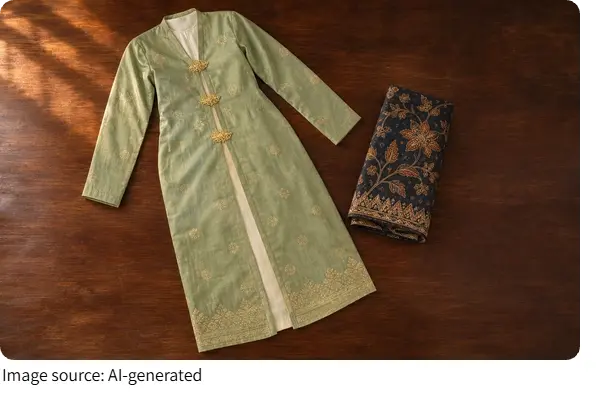
Kebaya Labuh Melaka represents an elegant expression of traditional Malaysian fashion through its extended silhouette, thoughtful tailoring, and decorative versatility. Its combination of graceful proportions and adaptable styling allows it to remain relevant across different generations.
Whether presented in a classic form or a contemporary interpretation, this traditional garment continues to demonstrate the lasting appeal of Malaysian craftsmanship and textile heritage.