Soft Neutral Living Room

Kenji
| 22-09-2026
 · Lifestyle Team
Soft neutral tones can make a living room feel calm, comfortable, and easy to live in without making the space look plain. Shades such as cream, beige, warm white, taupe, and light gray provide a flexible foundation for furniture and decoration.
The key is to combine different textures, shapes, and subtle shades so the room has character while maintaining a relaxed appearance.
Start With a Warm Neutral Base
Begin by choosing one main neutral shade for the largest surfaces in the room. Walls, large rugs, or a sofa can establish the overall color direction. Warm white, creamy beige, or light taupe can create a softer atmosphere than a room filled with stark white. If the room already has neutral walls, there is no need to repaint everything.
Instead, introduce additional shades through furniture, curtains, cushions, and decorative pieces. Try to keep the main colors within the same warm or cool family. This helps the different elements feel connected rather than randomly mixed.
Layer Different Neutral Shades
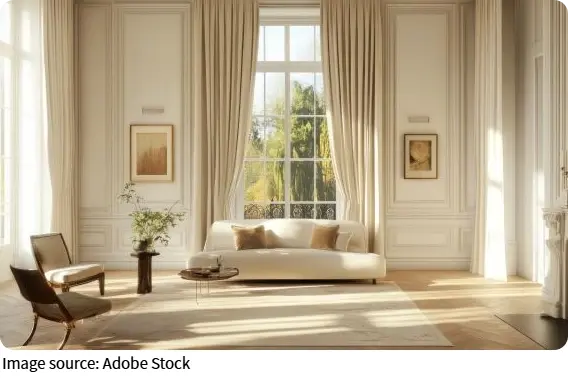
Using only one neutral shade can make a living room feel flat. Instead, layer several related colors throughout the space. For example, pair a cream sofa with beige cushions, a taupe rug, and warm white curtains. A slightly deeper brown or gray can be introduced through a coffee table, side table, or decorative accessories. The goal is variation, not perfect color matching. Small differences between shades give the room more depth while keeping the overall look cohesive.
Add Texture to Keep It Interesting
Texture becomes especially important when working with a restrained color palette. Without strong color contrasts, differences in materials can provide visual interest. Consider combining a woven rug with linen-look curtains, a soft upholstered sofa, knitted cushions, and a smooth wooden table. A textured throw can add another layer without introducing a completely different color.
Natural-looking materials can also make neutral interiors feel warmer. Wood, woven fibers, ceramic pieces, and stone-inspired surfaces can all add character while staying within a soft color scheme.
Choose Comfortable Furniture
Neutral styling works particularly well with simple, comfortable furniture. A generously sized sofa can become the main feature of the room, while rounded chairs or a simple armchair can soften the overall arrangement. Avoid filling the room with too many large pieces. Leave enough open space around furniture so the living room feels comfortable rather than crowded.
Bring in Small Decorative Accents
Decorative accessories can give a neutral room a personal touch without changing its overall character. Cushions, blankets, ceramic pieces, framed artwork, baskets, and table decorations can all add detail. If the room feels too uniform, introduce a muted accent color rather than something extremely bright. Soft green, dusty blue, muted terracotta, or warm brown can complement neutral shades while keeping the atmosphere calm.
Use Wood for Natural Warmth
Wood is an easy way to introduce warmth into a neutral living room. A wooden coffee table, shelving unit, side table, or media console can break up large areas of pale color. The wood does not have to match every other wooden element perfectly. Slight differences in tone can make the room feel more relaxed and natural.

Styling a living room with soft neutral tones is about creating depth without relying on strong colors. Start with a warm base, layer related shades, and introduce texture through rugs, upholstery, cushions, curtains, and accessories. The result can be a living room that feels relaxed, balanced, and comfortable without looking dull.