Wood Deck, Better Appeal!

Liam Reilly
| 31-08-2026
 · Lifestyle Team
A home's exterior is shaped by more than its front door, paint color, or landscaping. The transition between the house and garden can also influence how the entire property looks from outside.
A well-designed wooden deck can create a clear connection between indoor and outdoor areas while adding warmth, structure, and useful living space. When planned carefully, it may also give the property a more polished and welcoming appearance.

Why a Deck Can Change the Look
A wooden deck introduces a defined surface where an open lawn or uneven outdoor area might otherwise feel disconnected from the house. Its clean lines can frame the exterior and create a visual extension of the home's architecture.
Wood also has a naturally warm appearance that can complement many exterior styles. Whether the home has a modern, traditional, or simple design, choosing a suitable wood tone and deck layout can help the new addition feel like part of the property rather than an afterthought.
Connect the House and Garden
One of the biggest advantages of a deck is its ability to bridge indoor and outdoor spaces. Positioning it directly outside a living room, kitchen, or another frequently used area can create a natural transition.
The deck's shape can also follow the existing architecture. Straight edges may complement a home with strong geometric lines, while a more carefully shaped layout can work around garden features.
Think about what can be seen from inside the house as well. A tidy deck with well-placed furniture can improve the view through windows and doors, making the outdoor area feel like part of the home's overall design.
Choose Materials With Care
Not every type of wood performs the same way outdoors. When selecting decking, consider durability, maintenance requirements, appearance, and suitability for the local climate. Some wood products require regular cleaning, sealing, or finishing to maintain their appearance. Others may naturally change in color over time.
Good material selection is about more than appearance. The deck should be suitable for regular outdoor exposure and the way the space will actually be used.
Keep the Design Simple
A deck does not need elaborate features to improve a property's exterior. A straightforward layout with clean edges can often create a stronger visual effect than an overly complicated design. Consider how the deck connects with existing pathways, planting areas, fences, and outdoor furniture. Repeating materials or complementary colors can help the different elements work together.
Add Greenery Around the Edges
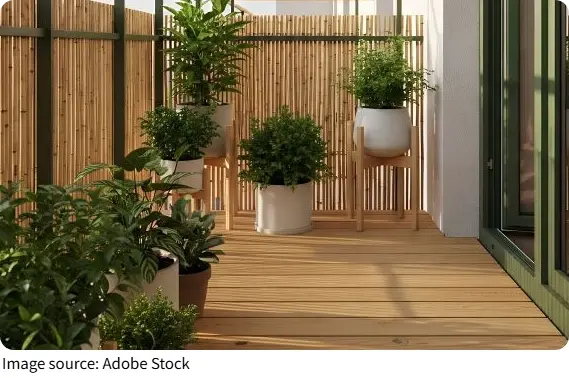
Plants can prevent a deck from looking like a completely separate platform. Garden beds, climbing greenery, shrubs, or carefully positioned containers can soften the transition between timber and surrounding landscape.
Avoid placing too much greenery directly against the decking if it could create maintenance difficulties. Leave enough room for cleaning and inspection while allowing plants to frame selected sections. A balanced combination of wood and greenery can make the outdoor area feel established and connected to the garden.
Create a Useful Outdoor Space
Kerb appeal is important, but a deck should also improve everyday use. Think about how the space will function before deciding on its final layout. A compact deck might be ideal for two chairs and a small table, while a larger one can accommodate several seating areas. If outdoor dining is important, allow enough room for chairs to move comfortably around the table.
Consider Maintenance From the Beginning
A well-maintained deck can contribute to a neat and cared-for exterior, while neglected timber can have the opposite effect. Regular sweeping and cleaning can help prevent dirt and debris from building up. Depending on the decking material, additional maintenance may be recommended to protect its surface and appearance.
A wooden deck can be a practical way to improve both the appearance and usefulness of an outdoor area. Its warmth, structure, and connection to the home can contribute to stronger kerb appeal when the design is appropriately scaled and thoughtfully integrated. With that broader approach, a simple timber platform can become a natural and attractive part of the property's exterior.