Why We Buy Luxury Goods

Sofia Alvarez
| 05-08-2026
 · Fashion Team
Luxury goods have fascinated people for generations. From finely crafted accessories to premium automobiles, these products often attract attention far beyond their practical purpose.
What makes them so desirable is not only their quality or design, but also the emotional and psychological meaning attached to them.
In today’s world, luxury purchases are rarely driven by necessity alone. They are closely connected to how individuals see themselves, how they wish to be perceived, and the experiences they associate with success and achievement. By exploring the psychology behind luxury consumption, we can better understand why high-end products continue to hold such a powerful and lasting appeal.
The Desire for Status and Recognition
One of the strongest motivations behind luxury purchasing is the desire for status and recognition. Luxury goods are often associated with accomplishment, exclusivity, and distinction. Owning such items can create a sense of personal achievement and social visibility.
People naturally seek appreciation and a feeling of belonging within their communities. Because luxury products are typically positioned as rare, refined, and difficult to obtain, they can become symbols of success. For many consumers, the value of a luxury item lies not only in its function, but also in the message it conveys about ambition, effort, and achievement.
Emotional Satisfaction and Self-Reward
Luxury purchases are also deeply emotional. Many people view them as rewards for hard work, perseverance, and important life milestones. Acquiring something special can bring feelings of pride, joy, and personal fulfillment.
Whether celebrating a career advancement, completing a major goal, or marking a meaningful moment in life, consumers often choose luxury items as lasting reminders of their progress. In this sense, the purchase becomes more than an object; it becomes a symbol of dedication and personal growth.
Exclusivity and the Power of Scarcity
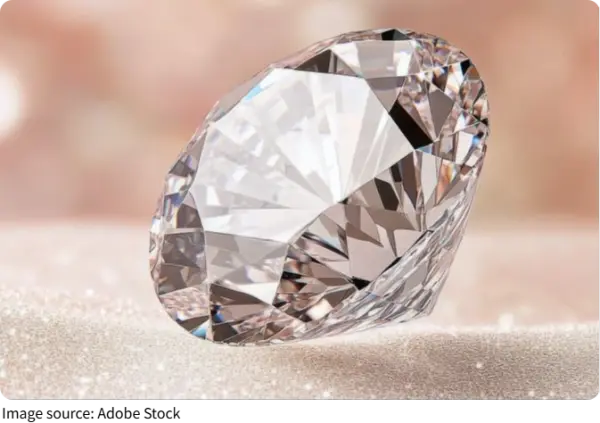
Exclusivity is one of the most influential factors in luxury consumption. Psychological research shows that people tend to value things more highly when they are perceived as limited or difficult to obtain. This principle, commonly known as the scarcity effect, plays a central role in the appeal of many luxury products.
Limited availability creates a sense of rarity and uniqueness. Consumers are often drawn to items that feel special and uncommon, and this perception can significantly increase emotional attachment to the product. The feeling of owning something that few others possess adds an additional layer of satisfaction and prestige.
Luxury as a Form of Personal Identity
Luxury products frequently serve as tools of self-expression. The choices people make in fashion, accessories, and lifestyle products often reflect their personality, values, and aspirations.
Rather than simply purchasing an item, consumers may feel that they are expressing refinement, confidence, creativity, or sophistication. This connection between personal identity and luxury consumption helps explain why certain products become deeply meaningful to their owners. The purchase is not only about appearance; it is also about communicating who they are and what they aspire to become.
The Influence of Social Environment
Human behavior is strongly influenced by the surrounding social environment. Friends, colleagues, media, and digital platforms can all shape perceptions of what is desirable and prestigious.
Constant exposure to luxury lifestyles and premium products can increase interest in similar experiences. Social media has made these images more visible than ever, allowing consumers to encounter high-end products in everyday digital life. This exposure does not automatically create desire, but it can strengthen aspirations and encourage individuals to explore luxury purchases that align with their personal goals and social identity.
The Role of Advertising and Brand Storytelling
Luxury companies invest heavily in storytelling. Their advertising is designed not only to present a product, but also to create an atmosphere of elegance, aspiration, and emotional connection.
Through carefully crafted visuals and narratives, luxury brands transform functional products into symbols of a particular lifestyle. Over time, these stories influence perceptions of value and desirability. Consumers are often attracted not only to the object itself, but also to the experience, meaning, and sense of refinement associated with it.
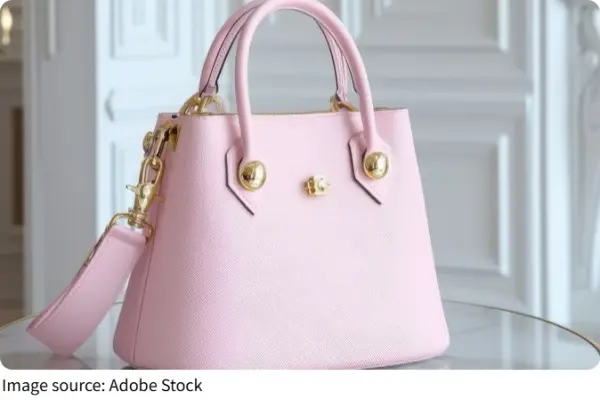
The psychology of luxury consumption is far more complex than simple material desire. Status, emotional reward, exclusivity, personal identity, social influence, and brand storytelling all contribute to the powerful attraction of luxury goods.
For many people, these purchases represent achievement, aspiration, and self-expression rather than mere ownership. Understanding these motivations allows consumers to approach luxury products with greater awareness and intention. Ultimately, the enduring appeal of luxury lies in its ability to combine quality, emotion, and identity into an experience that feels both personal and meaningful.