Jump Rope Control

Amit Sharma
| 06-05-2026
 · Sport Team
Jump rope training may look simple at first glance, but it is a movement practice where small details can greatly influence how smooth, steady, and enjoyable each session feels.
When we become more aware of these details, our rhythm improves naturally, and the motion feels easier to control.
Let’s take a closer look at how rope length and grip style can make a meaningful difference in your practice.
Finding the Right Rope Length for Natural Timing
One of the first things we notice in jump rope practice is how important rope length is. It’s not about choosing the longest or shortest option, but about finding a balanced fit for your body and movement style.
A simple way to check this is by standing on the middle of the rope and lifting both handles upward. When the handles reach around chest level, the length is generally suitable. If they go much higher or stay too low, the rope may not support smooth timing.
Different lengths can guide different rhythms. A slightly longer rope often supports slower, more expressive movement patterns, while a shorter one can help you build quicker turning speed for active training sessions. For beginners, a little extra length often feels more comfortable because it allows time to adjust footwork without frequent interruption.
As we become more familiar with timing, we may gradually adjust the rope to match our preferred pace. This small change can influence coordination and help develop a more stable rhythm over time.
Grip Style That Supports Smooth Movement
How we hold the handles plays a bigger role than many people expect. A relaxed and controlled grip can improve coordination and reduce unnecessary tension in the hands and arms.
Instead of holding the handle tightly with the whole palm, try a lighter grip using the thumb and index finger. The other fingers stay relaxed and gently support the handle. This creates a stable yet flexible control point.
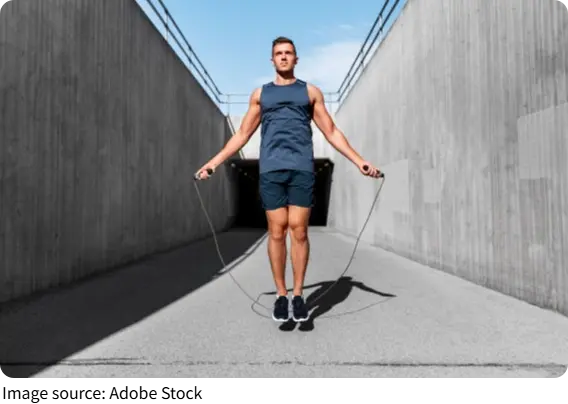
In this movement, the wrist becomes the main driver. The rope turns through small, steady wrist rotations rather than large arm swings. When you allow the wrists to guide the motion, the energy feels more efficient and the rhythm becomes easier to maintain.
Keeping the elbows close to the body also helps. It prevents wide movements that can disturb timing and waste energy. With a calm upper body and active wrists, the motion becomes more balanced and controlled.
Handle material and surface texture can also affect comfort. Some surfaces offer a firmer hold, which may suit longer practice sessions, while smoother designs may feel easier for those still building coordination.
Building a Stable Practice Through Small Adjustments
Jump rope training is often valued for its simplicity and flexibility. It can be done in small spaces and fits into different routines. However, the real benefit comes when we refine the small details that support consistency.
Before starting, take a short moment to adjust rope length and check grip comfort. This quick preparation can reduce interruptions during movement and support smoother timing.
Practicing in front of a mirror or in an open space helps you observe how the body moves. This allows you to notice extra motion that may not be necessary. Over time, small corrections build a more natural flow.
When these details come together, the activity becomes more than repeated jumping. It turns into a coordinated rhythm where timing, posture, and focus work together. This makes the practice more engaging and easier to maintain regularly.
More Than Movement: A Sense of Rhythm
Jump rope practice is not just about lifting the feet repeatedly. It combines timing, coordination, and control into one continuous flow. Each turn of the rope connects with a small decision in posture and rhythm.
When we adjust rope length properly and hold the handles with relaxed control, the movement feels lighter and more consistent. Over time, this builds confidence in timing and makes the activity feel more natural.
Instead of thinking of it as a fixed routine, view it as a rhythmic practice that evolves with you. Every session becomes a chance to improve comfort, balance, and coordination in a simple but meaningful way.
Building Rhythm Through Small Details
Lykkers, jump rope practice shows how small details can shape the overall experience. A well-adjusted rope and a relaxed grip can change how smoothly we move and how long we can maintain rhythm. When we approach it with patience and attention, we begin to notice steady improvement in coordination and flow. Over time, the movement feels less like effort and more like rhythm in motion.
Let’s keep exploring these small adjustments and enjoy the process of building better control, one jump at a time.