Choose Your First Skateboard

Mukesh Kumar
| 06-01-2026
 · Sport Team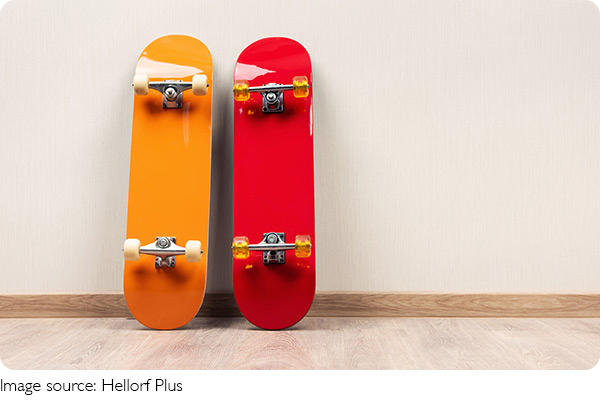
Starting to skate can feel overwhelming—so many options, so many parts, and so many different types of boards to choose from. But picking the right skateboard doesn't need to be complicated.
Whether you're aiming to cruise around the neighborhood or trying to master street tricks, choosing the right skateboard can make all the difference.
Let's break it down step by step to help you pick the best board for your skating journey.
Understanding Skateboard Components
Before you even start thinking about brands or styles, it's important to understand the basic parts of a skateboard. The board may look simple, but there are several components that all work together to make your ride smoother, faster, and more stable.
1. Deck
The deck is the flat part of the skateboard that you stand on. It comes in various shapes and sizes, and your choice will depend on your style of skating. Generally, beginners will want a wider deck for more stability. A deck that's about 7.5” to 8” wide is a good starting point.
2. Trucks
Trucks are the metal parts that connect the wheels to the deck. They affect how your skateboard turns. Beginners typically go for standard width trucks that match the width of the deck. The right trucks will give you control without feeling too loose or too stiff.
3. Wheels
Wheels come in different sizes and hardness. Smaller wheels (50-52mm) are best for street skating, while larger wheels (54-56mm) provide more stability and are better for cruising. Softer wheels (78A-87A) are ideal for rougher surfaces, whereas harder wheels (99A-101A) are better for smooth concrete.
4. Bearings
Bearings are the small metal rings inside the wheels that allow them to spin. Skateboard bearings are graded using the ABEC scale, ranging from 1 to 9, with higher numbers indicating smoother rides. As a beginner, you don't need to overthink the bearing grade; a standard ABEC-5 or ABEC-7 will do.
Actionable Tip:
If you're just starting out, a pre-assembled skateboard kit is a great option. These boards come with all the components that match perfectly, and you won't have to worry about picking each part separately.
Choosing the Right Board Shape
Skateboards come in several shapes, and each shape serves a different purpose. As a beginner, you'll want to pick a board that offers a good balance between comfort and versatility.
1. Standard Popsicle Shape
This is the classic skateboard shape, popular for street skating and tricks. It's symmetrical, which makes it easier to control for beginners. If you're looking for a board that can handle a variety of styles—whether cruising or learning tricks—the popsicle shape is a solid choice.
2. Cruiser Boards
If you're looking to ride around casually and cruise through the streets, a cruiser board might be better. These boards are typically wider and have softer wheels, making them great for smooth rides and downhill skating.
3. Longboards
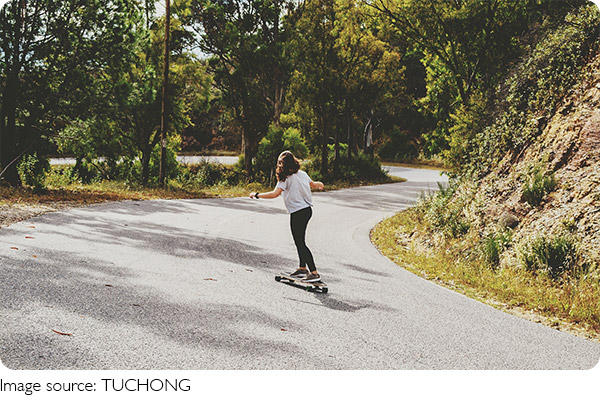
If you're planning on doing more long-distance cruising or downhill rides, a longboard offers more stability and smoother glides. They're generally not used for tricks, so they're better for beginners who are focusing on learning to ride rather than tricks.
Actionable Tip:
If you're not sure which shape to choose, go for a classic popsicle deck. It's the most versatile and will allow you to try different skating styles as you improve.
Consider Your Riding Style
Your personal skating style should guide the type of skateboard you select. Are you looking to cruise around, skate ramps, or do street tricks? Understanding your style will help narrow down your options.
1. Street Skating
For beginners who want to learn street tricks like ollies, kickflips, and grinds, a skateboard with a standard popsicle shape is the best choice. The smaller wheels and lighter deck make it easier to perform tricks on curbs, stairs, and rails.
2. Vert Skating or Ramps
If you're interested in riding ramps, bowls, or halfpipes, you'll need a skateboard with a slightly wider deck for stability. A deck with a bit of concave (curved shape) helps you lock in your feet for better control while performing tricks on the ramp.
3. Cruising
For cruising around the neighborhood or just getting from point A to point B, a cruiser or longboard is the best option. These boards are designed for comfort and stability rather than high-speed tricks.
Actionable Tip:
Start with a board that suits your primary interest. If you're unsure about which style you'll enjoy most, go with a board that allows for versatility, like a popsicle deck.
Budget and Quality: What to Consider
As a beginner, it's easy to get tempted by the flashy boards with expensive price tags. However, you don't need to break the bank when you're just starting out. Finding a skateboard that balances quality and affordability is key.
1. Entry-Level Decks
Entry-level skateboards typically range from $50 to $100. These boards usually come as complete setups (deck, trucks, wheels, bearings), so they're convenient and well-suited for beginners. Don't expect the highest quality, but they'll definitely help you learn the basics without burning a hole in your pocket.
2. Mid-Range Options
If you're planning to stick with skateboarding for a while and want a bit more durability, you can invest in a mid-range board for around $100-$150. These boards often have better materials and components that will last longer and offer a smoother ride.
3. Actionable Tip:
Avoid super cheap boards that are sold in big box stores, as they often use low-quality materials that could hinder your progress. A reputable skate shop will offer boards that are designed for beginners at a reasonable price.
Wrapping Up: Pick the Right Skateboard for You
Choosing your first skateboard should be an exciting experience, not a stressful one. By understanding the key components—deck, trucks, wheels, and bearings—you can find the right setup for your style and budget. As a beginner, go for a versatile board that suits your main skating interest and offers a good balance of quality and affordability. The right skateboard will not only help you learn faster but also ensure you enjoy the ride along the way. So, get out there, find your perfect board, and start your skateboarding adventure!