Growing Tomatoes

Chris Isidore
| 15-12-2025
 · Plant Team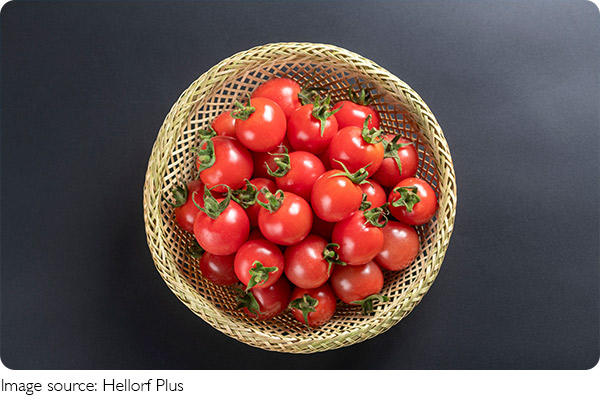
If you've ever dreamt of picking fresh tomatoes from your balcony or windowsill, you're in luck! Growing tomatoes in containers is a practical and rewarding way to enjoy homegrown fruit, even in small spaces.
With the right techniques—such as using supports to keep plants upright and ensuring regular feeding—you can maximize your tomato yield.
Let's dive into how you can achieve a bountiful harvest with these essential tips.
Choosing the Right Container
The first step to growing healthy tomatoes in containers is selecting the right container. Tomatoes need enough space to develop a strong root system and support the weight of their fruits. Here's what to consider:
1. Size matters: Choose a container that's at least 18–24 inches deep and wide. A container that is too small will limit root growth and stunt plant development.
2. Material selection: Plastic, ceramic, and fabric containers all have pros and cons. Plastic pots retain moisture well but can overheat in the sun. Fabric pots are breathable, promoting better root health, but they may require more frequent watering.
3. Drainage holes: Ensure your container has adequate drainage to prevent waterlogging, which can lead to root rot. If your container doesn't have holes, you can drill some yourself.
Using Supports for Healthy Growth
Tomato plants, especially indeterminate varieties, can grow tall and heavy as they develop fruits. Without proper support, the plant may topple over, causing damage to both stems and fruits. Here's how to use supports effectively:
1. Cages: Tomato cages are the most popular option. These wire or metal structures surround the plant, offering stability as it grows taller. Simply place the cage around the young tomato plant early in its growth.
2. Stakes: For a more minimalistic approach, use sturdy wooden or bamboo stakes. Secure the main stem of the tomato plant to the stake with garden twine or soft ties. Be sure to add more ties as the plant grows taller.
3. Trellises: If you're limited on space, a trellis can help support vining tomatoes. Train the plant to grow up the trellis by gently securing the stems as they grow. This setup is particularly useful for cherry or grape tomato varieties.
These supports not only keep the plant upright but also improve air circulation, reducing the risk of fungal diseases and ensuring better sunlight exposure.
Fertilizing for Better Yields
Fertilization is key to boosting tomato plant health and increasing fruit production. Here's a simple fertilizing routine to follow:
1. Start with a balanced fertilizer: When you first plant your tomatoes, use a balanced, slow-release fertilizer. Look for one with equal ratios of nitrogen (N), phosphorus (P), and potassium (K)—such as 10-10-10.
2. Switch to a high-phosphorus fertilizer: Once your plants start flowering, switch to a fertilizer that's higher in phosphorus (the middle number on the package). Phosphorus encourages blooming and fruiting.
3. Regular feedings: Feed your plants every two weeks with a liquid fertilizer during the growing season. Be careful not to over-fertilize, as this can lead to excessive leaf growth at the expense of fruit production.
If you prefer an organic approach, compost or worm castings are excellent natural alternatives. These enrich the soil with essential nutrients and improve its structure for better root development.
Watering the Right Way
Tomatoes need a consistent watering schedule, but too much or too little water can harm the plant. Here's how to get it just right:
1. Consistency is key: Keep the soil evenly moist, but not soggy. Water your tomato plants deeply, ensuring that the water reaches the root zone.
2. Watering schedule: Tomatoes generally need about 1–1.5 inches of water per week. On hot days, check the soil daily and water as needed. Early morning is the best time to water to avoid disease and fungal growth.
3. Avoid overhead watering: Watering from above can splash soil onto the leaves, spreading diseases. Instead, water directly at the base of the plant.
Managing Pests and Diseases
Even in a container, tomato plants are susceptible to pests and diseases. Here's how to keep them healthy and productive:
1. Check for pests regularly: Aphids, whiteflies, and spider mites are common tomato pests. Use an organic insecticidal soap or neem oil to treat infestations.
2. Rotate plants: If you're growing tomatoes in the same containers each year, rotate them to prevent soil-borne diseases like blight. If possible, refresh the soil by replacing it with fresh, disease-free mix.
3. Remove affected leaves: If you notice yellowing or damaged leaves, prune them away to prevent the spread of disease. Keep your plant tidy for better airflow and fewer pests.
Harvesting Your Tomatoes
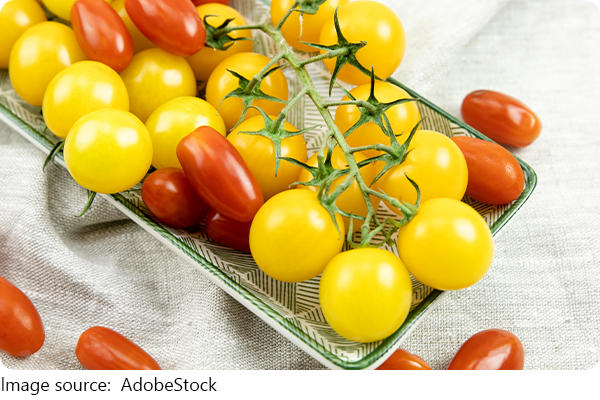
Tomatoes are typically ready to harvest when they've reached full color (red, yellow, orange, or purple, depending on the variety) and have a slight give when gently squeezed. Here's a trick for picking at the perfect time:
1. Pick when ripe: Harvesting at the right moment ensures the best flavor. Gently twist the fruit off the vine or use clean pruning shears to avoid damaging the plant.
2. Allow a few more to ripen off the vine: If you have some tomatoes that haven't fully ripened, leave them on the counter for a few days. Tomatoes ripen quickly at room temperature.
Final Thoughts
Growing tomatoes in containers can be a fun and productive gardening project, especially when you follow these simple tips for support, fertilization, and watering. With proper care, you'll enjoy a bountiful harvest of fresh tomatoes—perfect for salads, sauces, and snacks. So, grab your supplies, set up your supports, and start growing your own tomato paradise!